Is Panama a Good Place to Live in 2025? A Full Breakdown of Pros and Cons
In 2025, Panama continues to stand out as one of the most attractive destinations for expats, digital nomads, retirees, and investors alike. But what is it really like to live here? Beyond the postcard views and residency incentives, what are the day-to-day realities?
This full breakdown will walk you through the real-life pros and cons of living in Panama, covering everything from cost of living and healthcare to infrastructure, culture, safety, and real estate. Whether you’re planning a full relocation or considering part-time residency, this is the guide to help you decide if Panama is truly the right fit.
The Big Picture: What Living in Panama Really Means
Living in Panama isn’t just about enjoying tropical weather — it’s about tapping into a country that offers first-world benefits with a developing economy’s flexibility. It’s no wonder major cities like Panama City and regions like Boquete, Coronado, and Pedasí are now on the radar for thousands of new arrivals annually.
With a booming real estate market, a world-famous Pensionado Visa, and a steadily growing economy, Panama is positioning itself as Central America’s most livable country.
Explore real estate listings by region to see how diverse the living options really are.
Cost of Living: Affordable, But Not Dirt Cheap
Let’s be clear — Panama is not the cheapest country in Latin America, but it strikes one of the best balances between value and quality of life. You can enjoy Western-standard healthcare, housing, and infrastructure at 50–70% the cost of the U.S. or Canada.
| Expense | Panama City | Boquete | U.S. Average |
|---|---|---|---|
| 1BR Rent (Furnished) | $900 – $1,500 | $600 – $900 | $2,200+ |
| Internet (100mbps+) | $30/month | $35/month | $65/month |
| Healthcare Visit | $20 – $80 | $20 – $45 | $150+ |
| Restaurant Meal | $8 – $20 | $6 – $12 | $20 – $40 |
Boquete, El Valle, and rural beach towns like Pedasí offer lower overall costs. However, imported goods and luxury services in Panama City can run comparable to the U.S.
Browse available homes in Panama across all budget ranges.
Healthcare in Panama: Private, Modern & Accessible
Panama offers one of the best healthcare systems in Latin America, especially in Panama City, David, and Santiago. Private hospitals like Punta Pacífica Hospital (affiliated with Johns Hopkins) and Hospital Nacional provide high-quality care, often at a fraction of U.S. costs.
Real Estate: Opportunity Across All Lifestyles
Whether you’re drawn to modern condos, beachfront homes, or mountain villas, Panama’s real estate market in 2025 remains dynamic and opportunity-rich.
Popular real estate zones include:
Culture, Language, and Local Life
Spanish is Panama’s official language, but English is widely spoken in urban and expat-heavy areas. The cultural rhythm blends Latin vibrancy with Western efficiency — things move fast in the business sector, but slow down in rural life.
PROS:
CHALLENGES:
Residency & Immigration: Streamlined and Foreigner-Friendly
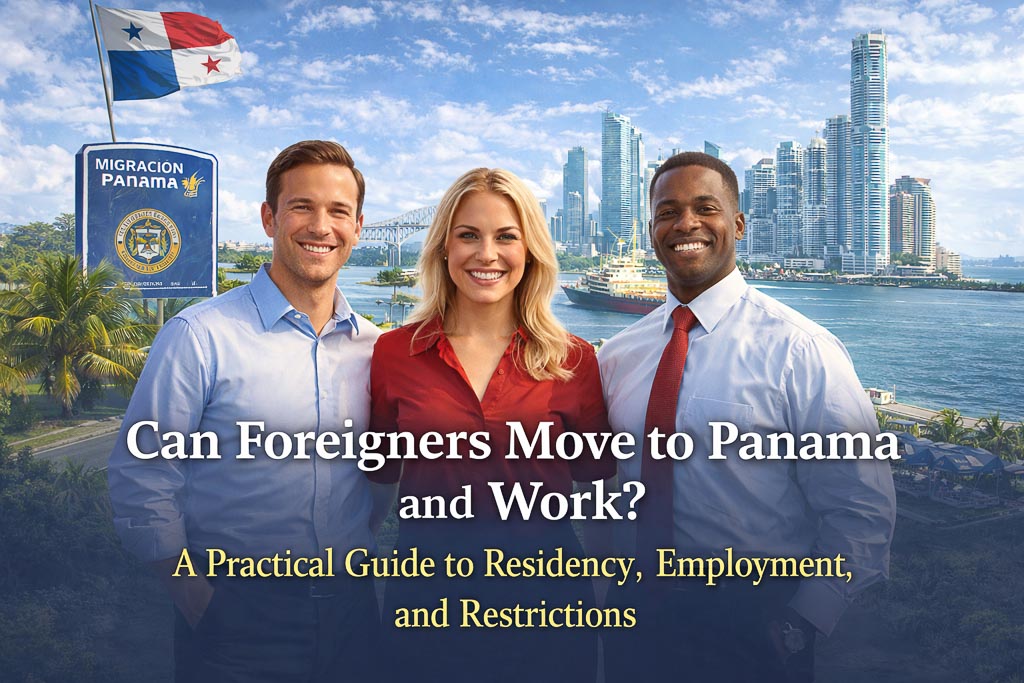
Panama is famous for its Friendly Nations Visa and Pensionado Visa, both of which are still active in 2025 with minor reforms.
Best residency paths:
- Pensionado Visa – For retirees earning $1,000/month or more
- Friendly Nations Visa – For select passport holders with a bank account and work/economic ties
- Qualified Investor Visa – Fast-track residency with $300,000+ real estate or $500,000 bank deposit
Visa holders enjoy discounts on utilities, healthcare, travel, and entertainment, especially under the Pensionado plan.
Get full details on residency in Panama.
The Pros of Living in Panama in 2025
The Cons of Living in Panama in 2025
Is It Right for You?
If you value international access, favorable residency, and a high standard of living, Panama could be ideal. If you’re uncomfortable with heat, adjusting to a new language, or occasional service delays, some adaptation will be required.
The good news? Panama allows you to “try before you buy” — renting long-term is easy, and digital nomads or snowbirds can stay up to 180 days visa-free from many countries.
Final Thoughts: Is Panama Worth Moving to in 2025?
Yes — for many people, Panama is not only a good place to live, it’s an exceptional one. From thriving beach towns to mountaintop communities and a world-class capital city, the country offers a mix of freedom, opportunity, and quality of life that’s hard to beat.