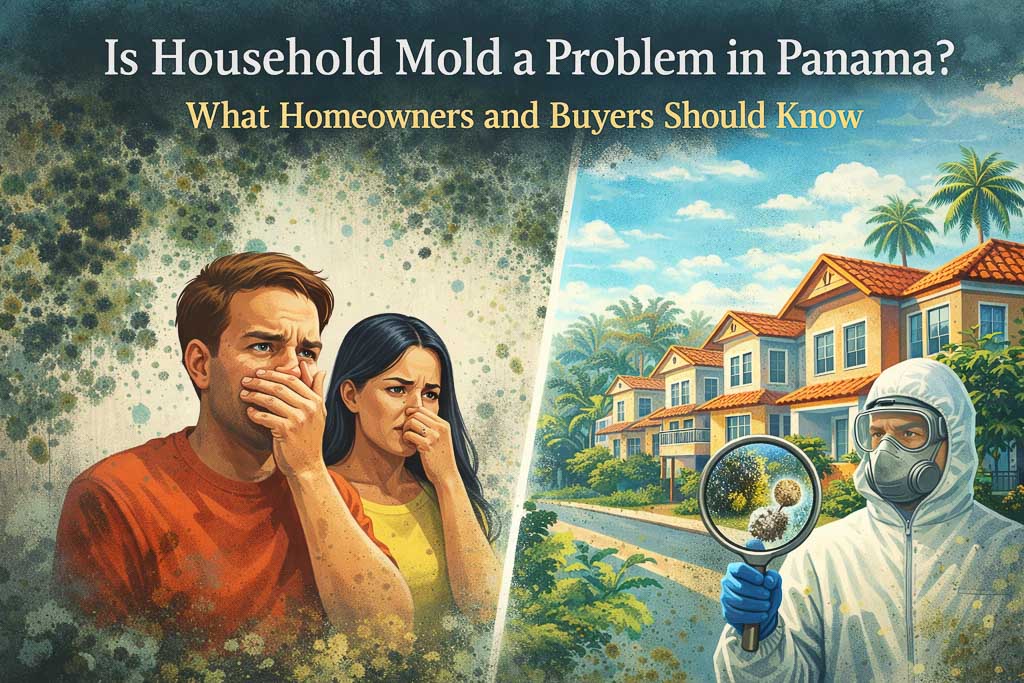
Is Household Mold a Problem in Panama? What Homeowners and Buyers Should Know
Panama’s tropical climate offers warm temperatures, lush landscapes, and year-round greenery — but it also creates ideal conditions for household mold. High humidity, heavy seasonal rains, and limited airflow in some homes mean mold is a common issue across coastal areas, city apartments, and countryside properties.
For homeowners, renters, and property investors, understanding mold risks in Panama is essential for protecting both health and real-estate value.
For mold remediation anywhere in Panama, we highly recommend Mohobusters: https://mohobusters.com/en/
Why Mold Is So Common in Panama
Mold thrives in warm, damp environments, and Panama provides both almost year-round. The most common contributing factors include:
- High indoor humidity levels
- Frequent rain and moisture infiltration
- Poor ventilation or closed homes during travel
- Roof leaks, window seepage, and plumbing issues
- Condensation from air conditioning systems
Even newer construction can develop mold if airflow and moisture control are not properly managed.
Is Household Mold Dangerous?
Mold exposure affects people differently, but it can cause real health concerns, especially with long-term exposure.
Common symptoms include:
- Nasal congestion and throat irritation
- Coughing or breathing discomfort
- Eye irritation
- Headaches or fatigue
- Worsened asthma or allergy symptoms
For most healthy adults, occasional exposure is manageable, but for children, seniors, or people with respiratory conditions, mold can become a serious issue.
How Mold Impacts Property Value
Beyond health concerns, mold can directly affect real-estate condition and resale potential. Visible mold is one of the quickest and easiest ways to LOSE A SALE. This cannot be overstated. Most buyers will simply disappear at the first sign of mold in a home.
Potential property damage includes:
- Stained walls and ceilings
- Peeling paint or warped drywall
- Musty odors that linger
- Damage to wood, furniture, and fabrics
Severe or recurring mold problems can discourage buyers, complicate inspections, and reduce perceived property quality.
Where Mold Most Often Appears
In Panamanian homes, mold is most commonly found in:
- Bathrooms and kitchens
- Closets with limited airflow
- Bedrooms with closed windows and AC use
- Around windows and door frames
- Behind furniture placed against exterior walls
- Roof corners and ceiling areas
Coastal properties and homes left vacant for extended periods are particularly vulnerable.
How to Prevent Mold in Panama Homes
While mold can’t be eliminated entirely in a tropical climate, it can be effectively controlled with proper maintenance and periodic treatments.
Key prevention strategies include:
- Opening windows periodically to improve airflow
- Using fans or dehumidifiers in enclosed spaces
- Running air conditioning regularly instead of keeping homes sealed for long periods
- Fixing roof, plumbing, and window leaks immediately
- Wiping down areas where condensation forms
- Avoiding placing furniture tightly against walls, which traps moisture
In addition to daily habits, many homeowners choose to work with professional mold inspection and remediation services for periodic checks and preventative treatments. These companies can identify hidden moisture issues, treat problem areas, and help keep mold growth under control before it becomes a health or property concern.
Consistent airflow, moisture management, and proactive monitoring are the most effective long-term defenses against household mold in Panama.
What Buyers Should Look For During Property Tours
When viewing homes or condos in Panama, pay attention to:
- Musty smells
- Discoloration on walls or ceilings
- Bubbling or peeling paint
- Damp corners or soft drywall
- Excessive humidity indoors
These can be signs of moisture issues that may lead to mold problems if not addressed.
The Bottom Line
Yes — household mold is a real and common issue in Panama, but it is manageable with proper construction, ventilation, and routine care. Many long-term residents live comfortably without problems by maintaining airflow and addressing moisture quickly.
For buyers and property owners, mold should be treated as a maintenance factor — not a deal breaker — but one that requires awareness and proactive management.
When handled properly, homes in Panama can remain healthy, comfortable, and structurally sound despite the tropical climate.